
Advanced Mobility Training
for Athletes Who Need Their Range to Hold Up
Mobility is not about how far you can move when nothing is happening.
It is about what range you can access when speed increases, load rises, and fatigue sets in.
At Moment PTP, advanced mobility training is designed for athletes and active adults who need their movement to hold up in real environments. Under barbells. During deceleration. Late in a race. At the edge of performance.
If your warm-ups feel great but your movement still breaks down when it matters, this is the missing piece.
Why Most Mobility Work Fails
Most mobility programs focus on positions you never use in sport.
Lying on a table. Passive stretching. Isolated joints without context.
The problem is not that these methods increase range.
The problem is that your nervous system does not trust that range when demand shows up.
That is why athletes often feel loose in warm-ups but restricted during lifts, sprints, or change of direction. The body defaults to compensations because it cannot control the range it technically has.
Mobility without control is just borrowed range.
Mobility Under Demand Is the Real Goal
True mobility is access plus ownership.
If you cannot control a position while producing force, your brain will not allow you to use it. This is where many athletes get stuck. They stretch more. They foam roll longer. Nothing changes.
Advanced mobility training shifts the goal from flexibility to usable range.
We train:
End range strength
Coordination at the edges of motion
Movement options under load
Transitions between positions at speed
This is how mobility becomes durable.
How Moment Trains Mobility Differently
At Moment PTP, mobility is never treated as a single variable.
It is never only a strength issue.
It is never only a mobility issue.
It is never only a coordination issue.
There are always multiple factors at play.
That is why advanced mobility training begins with a full-body assessment. We identify which joints lack access, which positions are avoided, and where compensations are masking the real limitation.
From there, mobility is trained inside movement, not separate from it.
What Advanced Mobility Looks Like in Practice
Advanced mobility training is specific, intentional, and integrated.
You may see:
Hip rotation trained in split stance rather than on your back
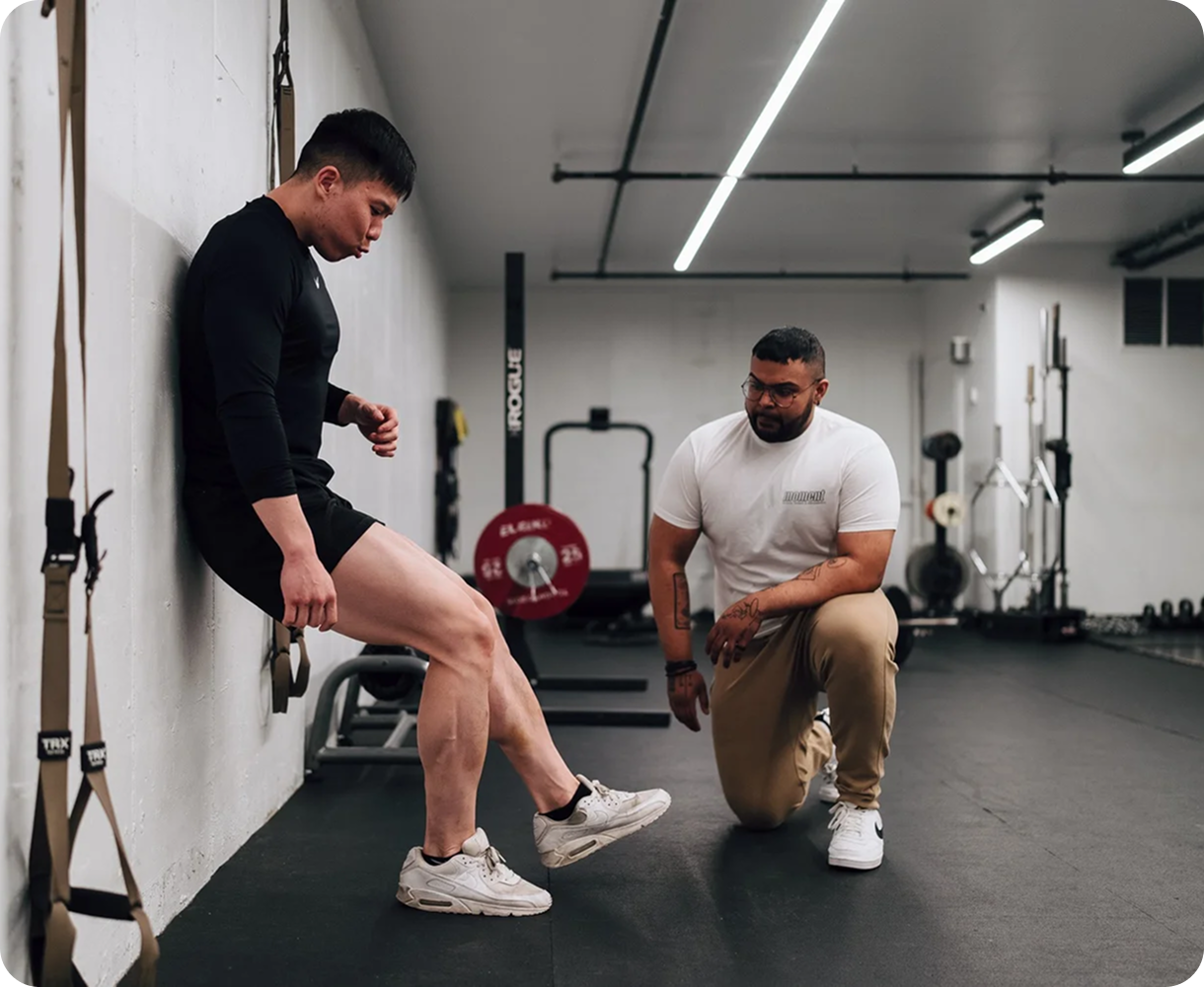
Ankle mobility loaded during deceleration, not passive dorsiflexion
Thoracic motion controlled during rotation and reaching, not isolated extension
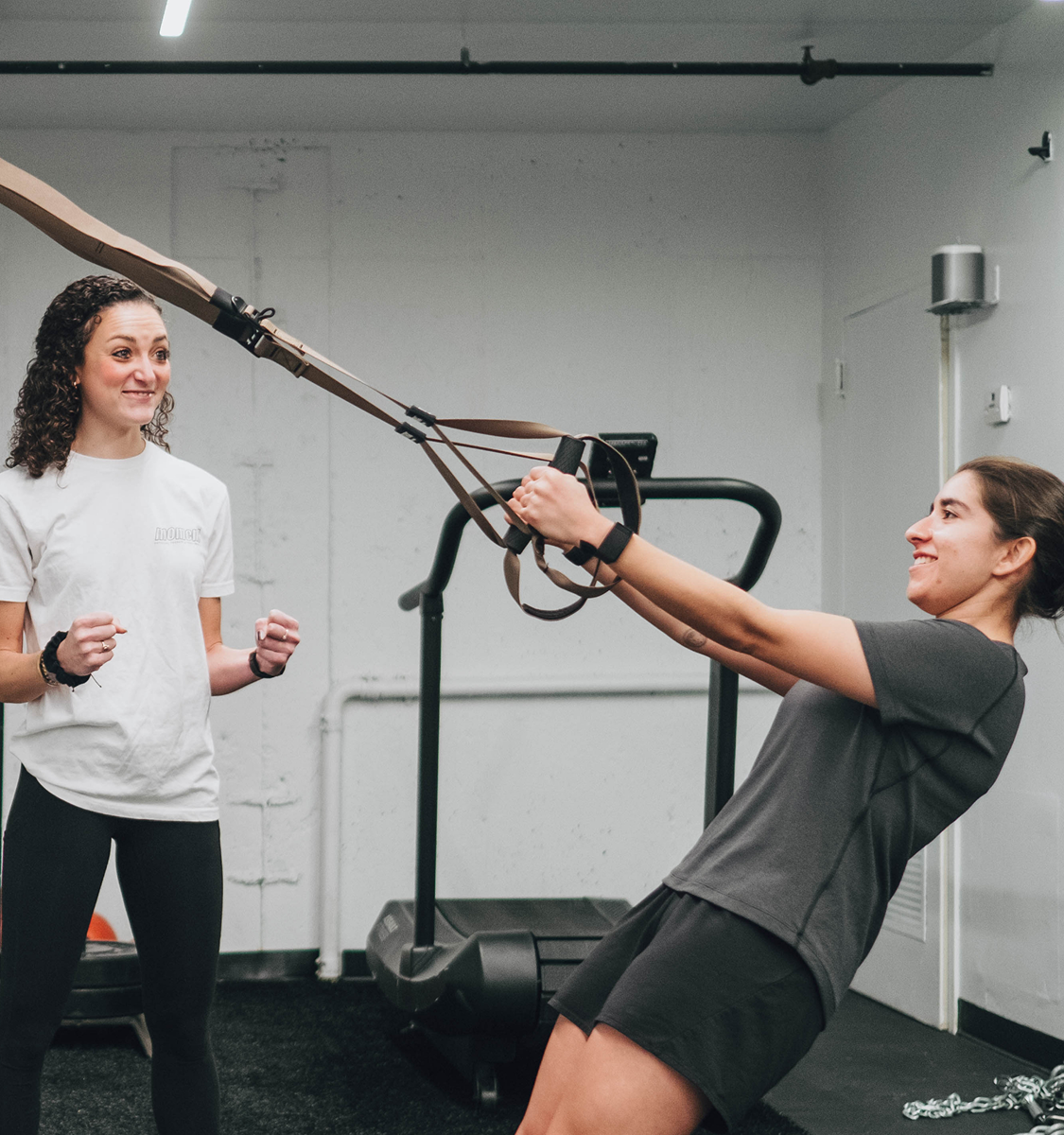
Shoulder range trained alongside trunk control and breathing
Every drill earns its place by improving access under real demand.

Who This Is For
Advanced mobility training is built for people who feel capable but restricted.
Athletes who feel tight only when intensity rises
Lifters who lose positions under load
Runners who break down late in sessions
Active adults who stretch constantly but still feel stuck
If your body has range but does not trust it, mobility is not the problem. Control is.
How This Fits Into the Bigger Picture
Advanced mobility is one input, not the entire system.
Once access is restored and controlled, it feeds directly into strength, power, and sport-specific training. Mobility creates the space. Training teaches the body how to use it.
This is how movement becomes resilient instead of fragile.
Train Mobility That Actually Transfers
If you are tired of mobility work that feels good but does not change performance, it is time for a different approach.
Advanced mobility training at Moment PTP is built for athletes who expect their movement to show up when it matters.
[Schedule your first session] and learn how to access, control, and own the positions your sport demands.