Running Gait Analysis in NYC
Move Better, Run Stronger, Stay Injury-Free
Running looks simple. One foot in front of the other. But beneath that simplicity is a complex chain of force, timing, and coordination. When even one piece is off, inefficiency shows up, performance stalls, and injuries follow.
At Moment PTP, our running gait analysis in NYC helps runners understand exactly how their body moves so they can improve efficiency, reduce injury risk, and run with confidence. This is not guesswork. It is a detailed biomechanical running assessment designed to uncover what your stride is really doing under load.
Why Returning to Running Requires a Plan
After injury, your body changes. Muscles weaken. Tendons lose their ability to handle repeated stress. Movement strategies shift, often without you realizing it. Many runners feel fine walking but struggle the moment speed, hills, or mileage return.
Common challenges we see include:
Pain returning once mileage increases
Loss of running confidence or fear of re-injury
Strength imbalances between limbs
Reduced ability of tendons and joints to handle repeated impact
Compensations that create new issues elsewhere
A structured return-to-run plan addresses these problems before they become setbacks.
How We Analyze Your Running Mechanics
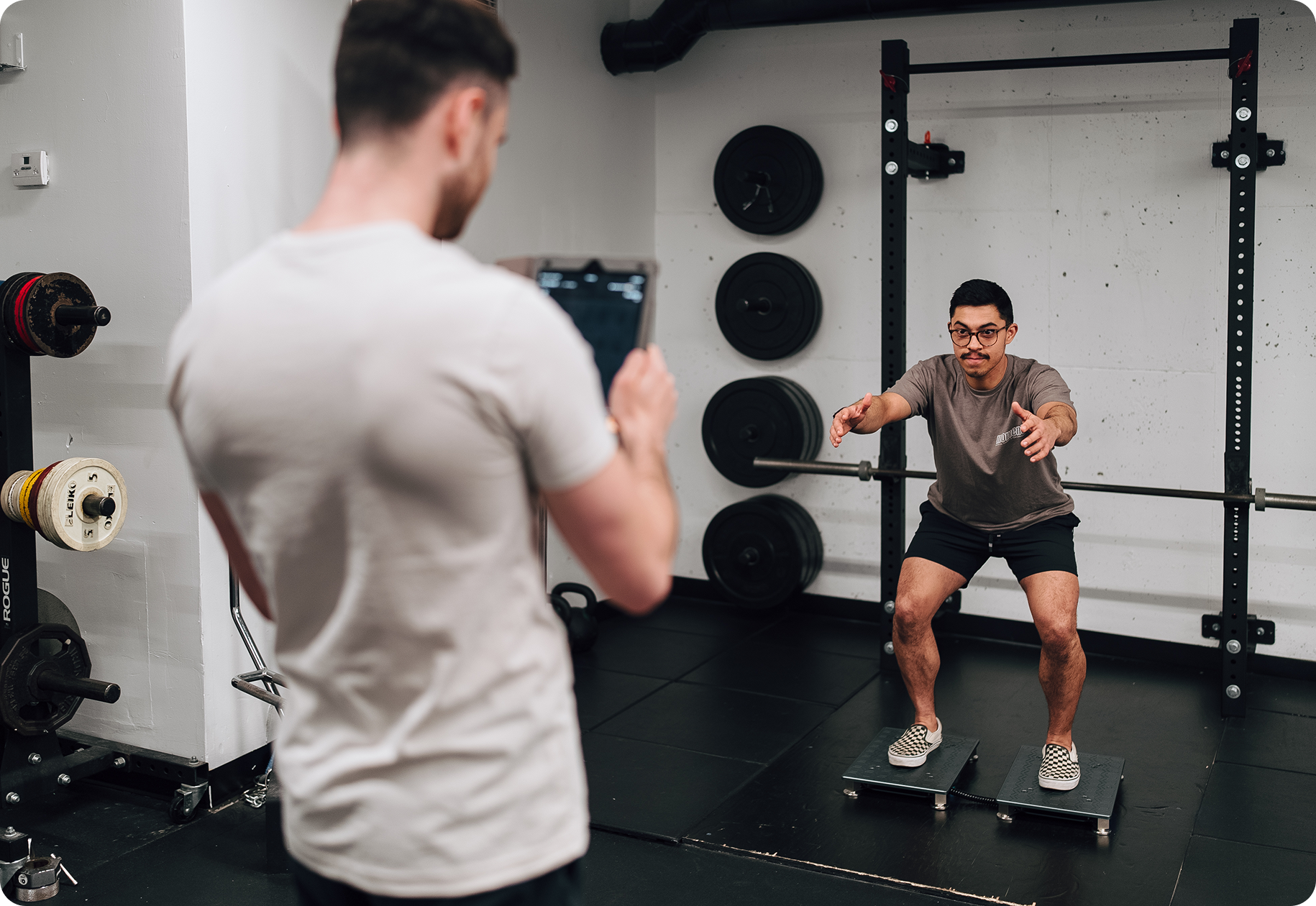
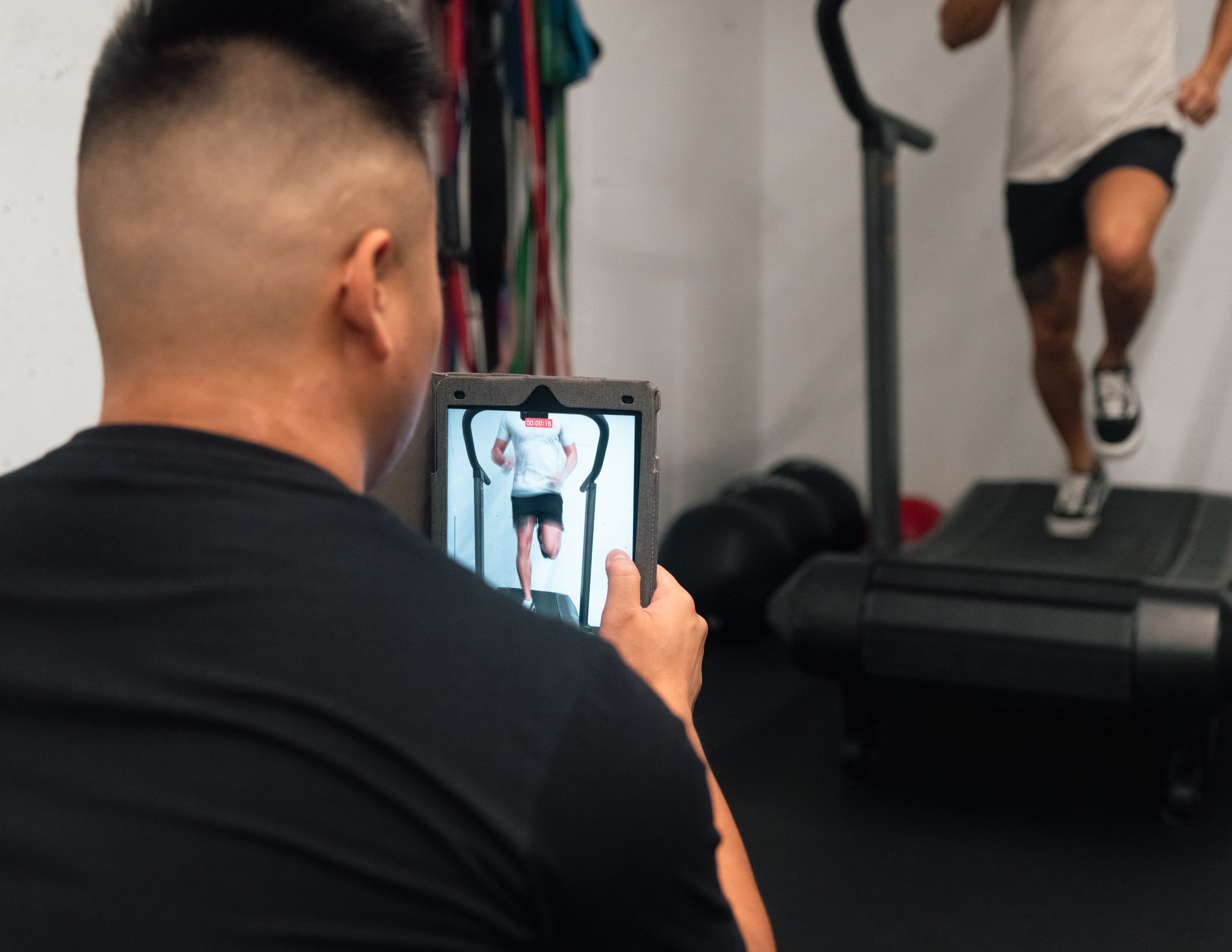
Every running gait analysis at Moment PTP blends clinical expertise with performance technology to create a clear picture of how you move.
During your assessment, we evaluate:
Stride mechanics and cadence
Force production and absorption patterns
Limb symmetry and loading differences
Hip, knee, and ankle coordination
Movement strategies under dynamic conditions
This process helps identify the true drivers behind inefficiency, discomfort, or recurring injury. Many runners are surprised to learn their symptoms are often influenced by movement patterns far from the painful area.
From Insight to Action
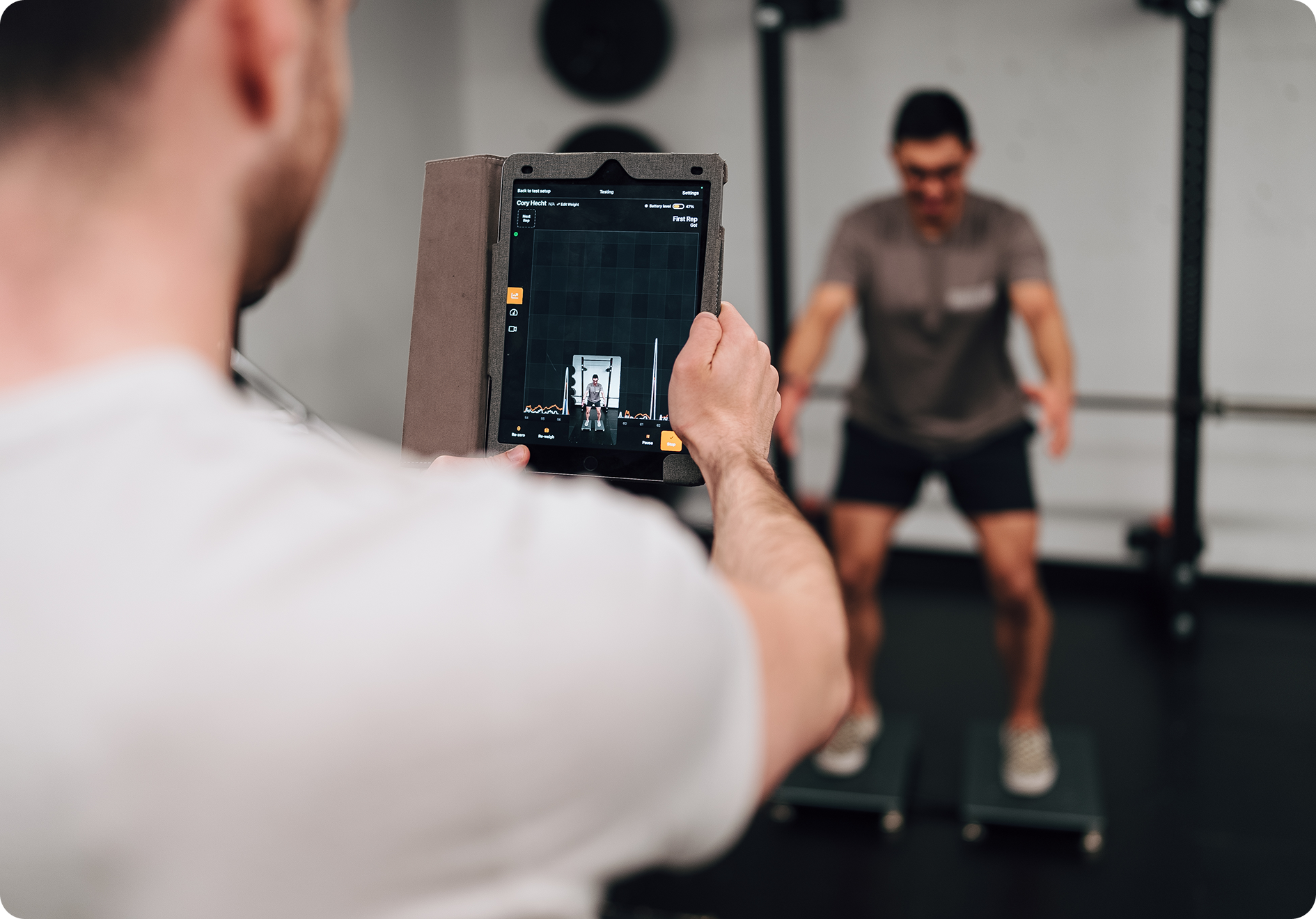
Data alone does not change performance. What matters is how that information shapes your plan.
Your gait analysis guides individualized programming designed to:
Improve running efficiency and rhythm
Reduce unnecessary joint stress
Build resilience for higher mileage and intensity
Support long-term injury prevention
For runners returning from injury, this process often becomes the bridge between simply being cleared and truly running with confidence again.

A Runner’s Experience
“For most of my life, I had an injury that kept me from running more than three miles at a time, so I accepted that running just was not for me. In three months working with Steph, everything changed.
She did not just treat symptoms. She helped me understand how my body moved and built the strength and mobility I needed to run without limits. Her passion for helping people is genuine, and you can tell she truly cares about results.
I am now preparing for my first half marathon, something I honestly never thought would be possible. If you are dealing with a persistent limitation, I cannot recommend Steph and the team at Moment PT highly enough.”
~Benjamin Natanson

Injury Prevention and Performance Are Not Separate Goals
Efficient runners are resilient runners. When your mechanics improve, your body distributes load more effectively, fatigue becomes less disruptive, and performance becomes more predictable.
Many runners seek gait analysis after injury, but the greatest value often comes from using it proactively. Understanding how your body moves allows you to train smarter, progress safely, and unlock performance gains that generic programs often miss.
Run With Clarity, Not Guesswork
If you want to improve efficiency, prevent recurring injuries, or return to running stronger than before, a professional running gait analysis at Moment PTP provides the clarity your training needs.
Schedule your running assessment today and take the next step toward stronger, more confident running.
Running Gait Analysis FAQ
-
If you are dealing with recurring injuries, uneven soreness, declining performance, or feel like your stride is inefficient, a gait analysis can reveal why. Many runners seek assessment after pain appears, but it is just as valuable for preventing injuries and improving efficiency before problems develop.
-
Your session includes a detailed biomechanical running assessment using clinical observation and performance technology. We evaluate stride mechanics, cadence, limb symmetry, force absorption, and joint coordination. You will leave with clear insight into how your body moves and a targeted plan to improve performance and reduce injury risk.
-
Yes. Most running injuries develop from repeated mechanical stress rather than a single event. Identifying asymmetries, poor load distribution, or inefficient movement patterns early allows you to correct them before they lead to overuse injuries.
-
Not when done correctly. The goal is not to force a completely new running style but to improve efficiency within your natural mechanics. Changes are introduced progressively so your body adapts smoothly, helping you run stronger, more comfortably, and with less strain over time.